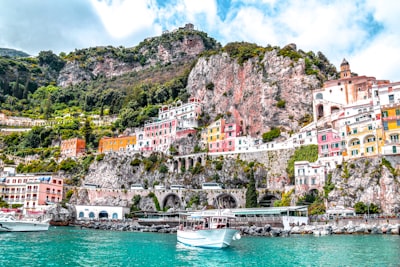
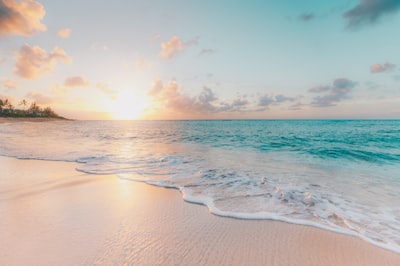
Portugal has quietly become one of Europe's most compelling destinations — not for its nightlife or theme parks, but for its unhurried pace, stunning coastline, and a food culture that rewards curiosity. It's the kind of place that gets better the slower you move through it.
Slow travel isn't about cramming every landmark into a week. It means picking a few places, staying longer, and actually settling into the rhythm of a city rather than photographing it from a tour bus window. Portugal is ideal for this approach because the distances are manageable, the cost of living is lower than most of Western Europe, and the culture invites lingering — long meals, late sunsets, neighborhood life that spills onto every sidewalk.
Why Portugal Is Made for Slow Travel
Portugal is compact enough that you can experience dramatically different landscapes within a few hours by train. The north is lush, hilly, and steeped in port wine tradition. The center holds Lisbon, a city of seven hills where fado music drifts from open windows after dark. The south opens up into the Algarve, with sandstone cliffs, hidden coves, and water so clear it almost doesn't look real.
What makes it especially well-suited to slow travel is infrastructure. Portugal's rail system connects major cities affordably (a Lisbon-to-Porto train ticket runs around €25–35 and takes about three hours). Affordable long-term apartment rentals are widely available, especially outside of peak summer. And the country is safe, walkable, and English-friendly without feeling overly touristy in most areas.
Porto & the Douro Valley
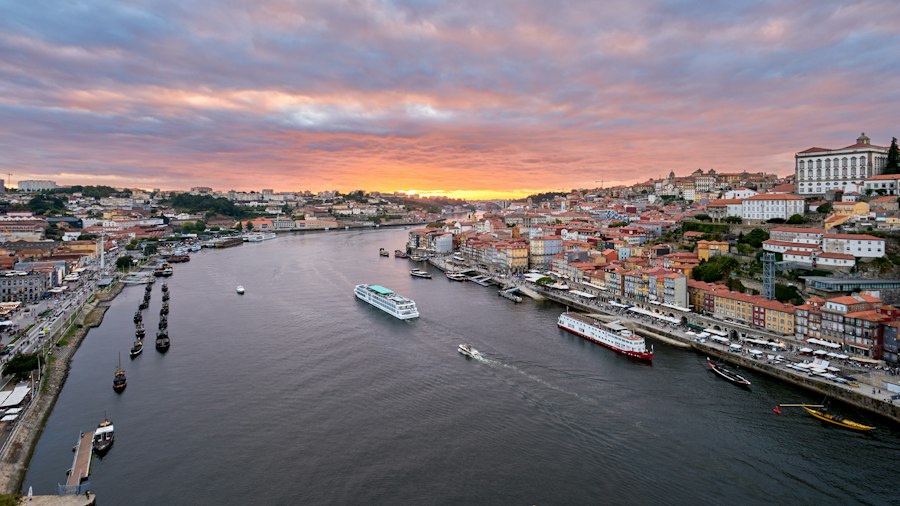
Porto is often overshadowed by Lisbon, but many travelers who've been to both prefer it. The city is smaller, grittier, and more atmospheric. The Ribeira district — a UNESCO World Heritage Site — tumbles down steep streets to the Douro River, where colorful buildings lean against each other like old friends.
The best way to experience Porto is on foot. Wander from the Sé Cathedral down through the narrow lanes of the Ribeira. Cross the Dom Luís I Bridge (designed by a student of Gustave Eiffel) for views that are worth stopping for. Visit the Livraria Lello, one of the world's most beautiful bookstores, but go early — the line gets long. And absolutely spend an afternoon in the port wine cellars of Vila Nova de Gaia, across the river, where tastings are affordable and the history is fascinating.
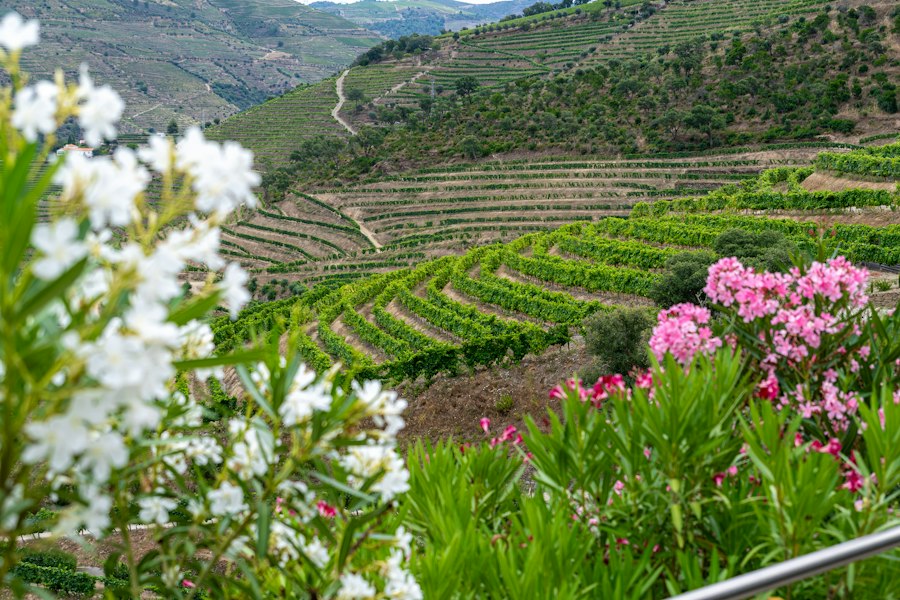
The Douro Valley is about an hour and a half east of Porto by car (or a beautiful train ride along the river). This is where port wine comes from, and the terraced vineyards carved into the hillsides are a UNESCO World Heritage landscape. Many quintas (wine estates) offer tastings and overnight stays.
Lisbon & Sintra
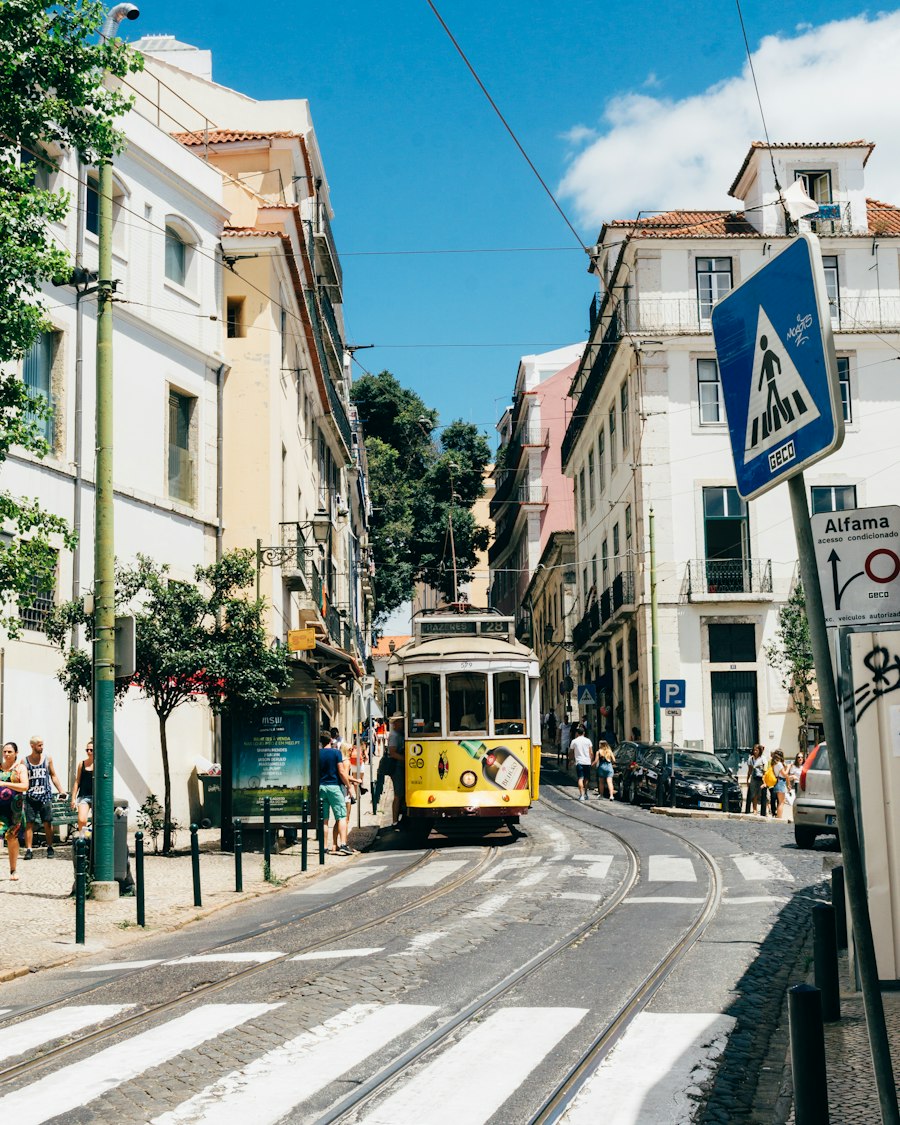
Lisbon is a city that reveals itself in layers. The Alfama district, the oldest neighborhood, is a maze of tiled staircases, wrought-iron balconies, and tiny squares where neighbors chat across laundry lines. Tram 28 rattles through these streets (it's a real commuter line, not just a tourist attraction, though it has certainly become one). The Baixa district is flat and grid-like — the commercial heart, rebuilt after the devastating 1755 earthquake. Bairro Alto comes alive at night with restaurants and bars stacked along narrow streets.
For a slower pace, skip the heavily touristed Belém Tower line and instead spend a morning at the Museu Nacional do Azulejo (National Tile Museum), which traces Portugal's incredible azulejo tile tradition from the 15th century to present day. It's housed in a former convent and is one of the most unique museums in Europe.
Sintra, about 40 minutes from Lisbon by train, is worth at least a full day. The Pena Palace — a technicolor Romanticist castle perched on a hilltop — draws the biggest crowds, but the real magic is in the surrounding forests and the lesser-visited Quinta da Regaleira, with its initiatic well (a spiraling underground tower you descend into) and secret tunnels through the gardens.
The Algarve Coast
The Algarve is Portugal's southern coast, and it looks nothing like the rest of the country. The landscape shifts from green hills to dramatic ochre-colored cliffs, sea caves, and beaches with water that rivals anything in the Mediterranean. Lagos, Tavira, and Sagres are three very different towns that each offer a distinct Algarve experience.
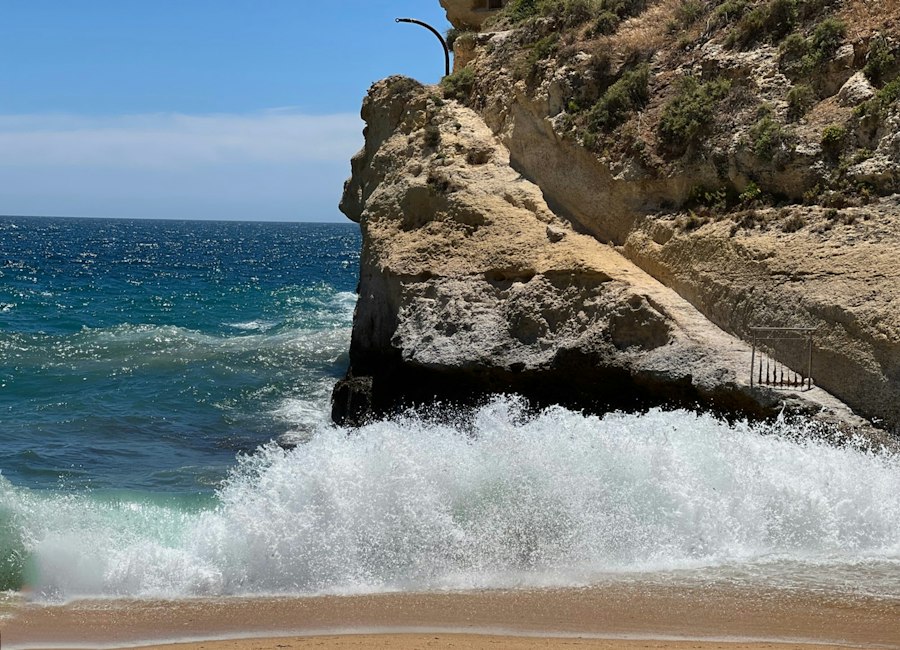
Lagos is the most popular base and has a well-preserved old town, excellent seafood restaurants, and easy access to the famous Ponta da Piedade rock formations. Tavira is quieter and more traditional — a former fishing town with Roman bridges, whitewashed buildings, and access to the sandbar islands of the Ria Formosa Natural Park. Sagres, at the southwestern tip of Europe, is rugged and windswept — popular with surfers and anyone who likes their coastline dramatic rather than manicured.
The Algarve is also home to the Seven Hanging Valleys Trail (Percurso dos Sete Vales Suspensos), a roughly 6-kilometer cliff-top walk between Carvoeiro and Benagil that's consistently rated one of the best hikes in Europe. It passes through rock arches, hidden beaches, and ends near the famous Benagil Cave — a sea cave with a collapsed roof that lets sunlight pour onto the sand inside.
What to Eat (and Where)
Portuguese food doesn't get the international attention of Italian or French cuisine, but it probably should. The cooking is straightforward, seasonal, and deeply tied to the sea. Here are the essentials.

Bacalhau (salt cod): Portugal's national ingredient. There are said to be over 365 ways to prepare it — one for every day of the year. Bacalhau à Brás (shredded cod with eggs, onions, and matchstick fries) is a good starting point.
Pastéis de nata: Flaky custard tarts with a caramelized top. The most famous come from Pastéis de Belém in Lisbon, which has been making them since 1837. But nearly every pastelaria in the country makes a good version — look for places where the tarts are still warm.
Seafood: Grilled sardines are iconic, especially during Lisbon's June santos populares festivals. Cataplana (a seafood stew cooked in a copper clam-shaped pot) is an Algarve specialty. Fresh percebes (goose barnacles) are a delicacy in coastal towns — expensive but unlike anything you've tasted before.
Wine: Beyond port, Portugal produces excellent and affordable table wines. Vinho verde (literally “green wine”) is a light, slightly effervescent white from the Minho region that pairs perfectly with seafood and warm weather. Alentejo reds are full-bodied and increasingly well-regarded internationally.
Practical Tips for Slow Travel in Portugal
Getting around: Comboios de Portugal (CP) runs the national rail network. Book at cp.pt for the best prices. For the Algarve coast or Douro Valley, a rental car gives you more flexibility, though parking in Lisbon and Porto is a headache best avoided.
When to go: May, June, September, and October offer the best balance of warm weather, manageable crowds, and reasonable prices. July and August are peak season, especially in the Algarve. Winter (November through March) is mild in the south and excellent for Lisbon and Porto, though some Algarve beach towns shut down.
Budget: Portugal is one of Western Europe's most affordable countries. A comfortable mid-range daily budget is roughly €80–120 per person including accommodation, meals, and transportation. Long-stay apartment rentals can bring this down significantly.
Language: Portuguese is the official language. English is widely spoken in Lisbon, Porto, and tourist areas, but less so in smaller towns and rural areas. Learning a few basics (obrigado/obrigada for thank you, bom dia for good morning) goes a long way and is always appreciated.
Connectivity: Free Wi-Fi is common in cafes, restaurants, and accommodations. For data on the go, a local SIM card or an eSIM is affordable and reliable throughout the country.