I'll be honest: I almost skipped the Amalfi Coast entirely. The photos looked too perfect, too crowded, too Instagram-famous to be worth the hassle. Then a local told me about Furore — a village so hidden it doesn't even have a proper town center — and everything changed. Here's where to go when you want the Amalfi Coast without the Amalfi Coast crowds.
Furore: The Secret Village
Tucked into a vertical ravine accessible only by foot or a winding road, Furore feels like stumbling upon a Mediterranean secret. This tiny village of fewer than 900 residents seems frozen in time, with pastel-colored houses clinging to dramatic cliffs and a pebbled beach hidden at the base of the fjord-like inlet.
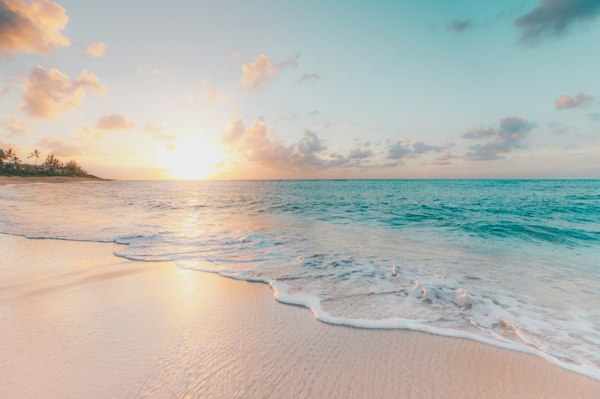
The village's main attraction is the Fiordo, a natural inlet where the beach descends into turquoise waters. Locals swim here, fishermen still keep boats in the water, and the scene feels genuinely lived-in rather than curated for tourists. Park near the top and take the stairs down—it's a worthwhile pilgrimage for a swim in one of the most untouched waters on the coast.
Where to Stay
Furore has few accommodations by design. Instead, base yourself in nearby Praiano or Conca dei Marini and take a day trip. This preserves the village's authenticity while keeping your options for dining and lodging open.
Atrani: Time Stands Still
Italy's smallest municipality by area, Atrani sits between cliffs with just one main street that doubles as the town square. Medieval charm oozes from every corner—narrow alleyways, a centuries-old church, and the kind of quiet that makes you feel like you've stepped back centuries.
"Atrani is what Positano was twenty years ago—a genuine village where locals still live their lives without performing for tourists."
The town has a small beach, excellent seafood restaurants run by families for generations, and zero crowds even in peak season. Wander the streets, sit at the tiny waterfront café, and watch fishermen repair nets. This is the Amalfi Coast as it should be experienced.
Praiano: A Local's Escape
Less famous than Positano but equally beautiful, Praiano remains relatively undiscovered despite its stunning location. The town faces west, giving it the best sunsets on the coast, and the beaches—accessible by steep staircases carved into the rock—are intimate and charming.
Praiano feels lived-in. You'll see locals shopping at the market, children playing in piazzas, and restaurants filled with Italian families rather than tourists. The town maintains a working fishing port where boats still leave daily, a rhythm that gives the place its authentic character.
Dining Like a Local
Skip the formal restaurants with posted menus and head to family-run trattorias where lunch specials are chalked on boards and the owner greets you like an old friend. In these villages, the best meals happen in modest settings:
- Look for restaurants where locals eat lunch between 12-2pm—this is always a good sign
- Order whatever seafood is listed as "catch of the day"—it was likely caught this morning
- Fresh pasta with sea urchin, mussels, or simple tomato sauce beats elaborate dishes every time
- Finish with lemon granita and espresso, the traditional local dessert
- Expect to pay 15-25€ for a full meal with wine, far less than the touristy spots
Getting Around
The Amalfi coast is famously challenging to navigate by car—narrow, winding roads with buses that barely fit around corners. But this difficulty is precisely what keeps crowds manageable. A few ways to move between villages:
By Bus
The SITA bus line connects all coastal towns affordably (€1.50 per ride), but it's slow and often crowded. Buses are frequent and offer spectacular views, just budget extra time.
By Boat
Summer water taxis connect the main towns in minutes. More expensive than buses but infinitely more pleasant, and you get water-level views of the cliffs.
On Foot
Hiking between villages (like the Sentiero degli Dei trail) offers the best perspective on the coast's raw beauty and takes you through villages tourists never discover.
Key Takeaways
The most authentic experiences on the Amalfi Coast happen when you slow down, wander narrow streets without a map, and eat where locals eat. These hidden villages remind us why we fell in love with travel in the first place.
- Arrive in shoulder season (April-May or September-October) for pleasant weather and minimal crowds
- Spend at least 2-3 days on the coast to move slowly between villages
- Bring comfortable walking shoes for steep staircases and cobblestone alleys
- Learn basic Italian phrases—locals appreciate the effort and communicate better with travelers who try
- Leave time for unplanned moments: a spontaneous swim, an unexpected conversation, a meal at a place you stumbled upon
The Amalfi Coast's hidden gems remind us that the best travel experiences often come from going slightly off the path. These villages ask little of you but offer immeasurable rewards: authenticity, beauty, and the simple pleasure of being somewhere real.


Comments
Comments are currently closed, but we'd love to hear from you. Share your own Amalfi Coast discoveries on our social media channels or Get the free Coastal Packing Guide + weekly stories from the shore to share travel stories with our community.